
Organized Financial Records: The Foundation of Better Tax Planning and Business Decisions
Whether you're a small business owner in Round Rock, an independent contractor in Austin, or an individual managing multiple income sources, organized records can make a meaningful difference throughout the year.
Money stress often starts with small questions. Did that payment clear? Was that expense recorded? Are the receipts saved somewhere? Will tax season bring a number you were not ready for?
For many business owners and individuals, the problem is not a lack of effort. It is the challenge of managing income, expenses, tax documents, bank activity, and deadlines while also handling day-to-day responsibilities. Organized financial records help turn that pressure into something easier to manage.
When your records are clean, current, and easy to review, you have a better sense of where you stand. You can plan ahead, respond faster, and reduce the chance of being caught off guard by taxes, missing documents, or unclear cash flow.
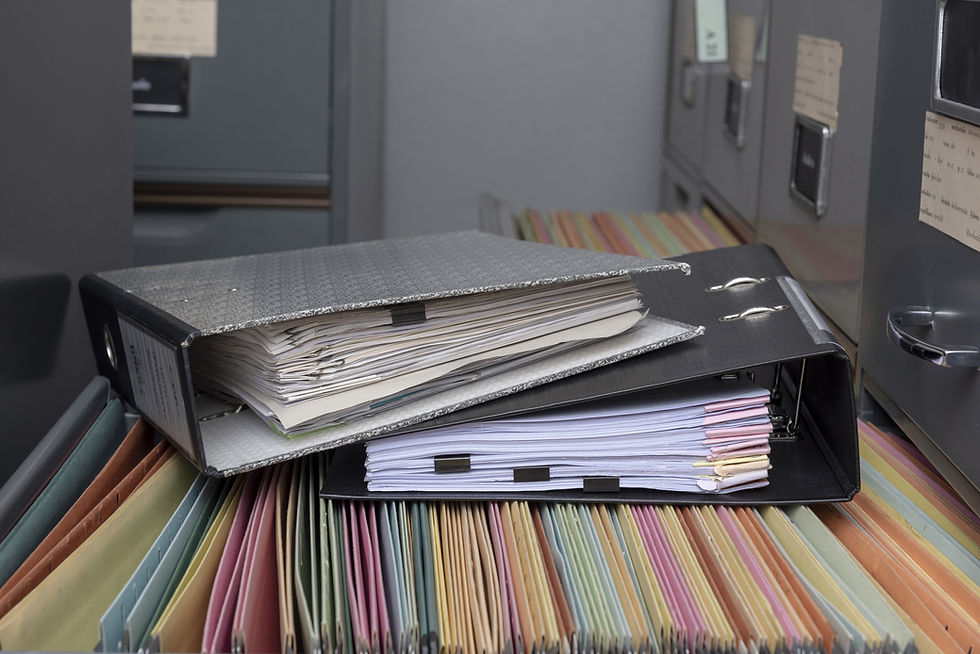
Stop Guessing Where Your Money Went
Guesswork creates stress. When expenses are not categorized, receipts are scattered, or personal and business spending are mixed, it becomes harder to understand what actually happened during the month.
Organized financial records give you a clearer picture of income, spending, deductions, and account activity. Instead of trying to remember details later, you can look at your records and see what needs attention.
This matters for business owners because even small recordkeeping gaps can affect pricing, cash flow, payroll planning, and tax estimates. For individuals, better records can make it easier to track deductible expenses, charitable giving, investment documents, and other tax-related items.
Clear records do not need to be complicated. They need to be consistent.
Keep Tax Season From Feeling Like a Scramble
Tax season becomes more stressful when records are handled all at once. Missing forms, uncategorized expenses, and incomplete bookkeeping can create delays and confusion.
With organized financial records, tax preparation becomes calmer because the main information is already in place. Income is easier to confirm. Expenses are easier to review. Supporting documents are easier to find.
This can also help reduce last-minute pressure. When records are updated throughout the year, there is more time to spot possible issues before filing deadlines get close. While every tax situation is different, better organization often supports cleaner preparation and fewer surprises.
A CPA can also use organized records to provide more meaningful guidance. The more accurate the information, the more productive conversations about tax planning, cash flow, and financial decisions can become.
Protect Your Business From Costly Record Gaps
Poor records can create problems that are easy to miss until they become expensive. A missing invoice, an untracked payment, or a deduction without support may not seem urgent in the moment. Later, those gaps can affect tax filings, financial reports, or audit readiness.
Organized financial records help protect your business by creating a clear trail of activity. That includes bank statements, receipts, invoices, payroll records, loan documents, and tax forms.
Good records also help separate business activity from personal spending. This is especially important for small business owners, contractors, and professionals who manage several accounts or income streams.
The Internal Revenue Service recommends maintaining records that support income, deductions, and credits claimed on tax returns. The IRS notes that good recordkeeping helps taxpayers prepare accurate returns and respond more effectively if questions arise later. (Source: IRS Publication 583, Starting a Business and Keeping Records)
The goal is not perfection. The goal is having reliable records that support accurate decisions and help reduce avoidable risk.
Make Smarter Decisions With Clean Numbers
Business decisions are harder when the numbers are unclear. Should you hire help? Buy equipment? Raise prices? Set money aside for taxes? Those questions become easier to answer when your financial records are current.
Clean records help you review cash flow, profit trends, operating costs, accounts receivable, and seasonal changes. Instead of making decisions based on a rough feeling, you can use real numbers.
This kind of clarity can also help with planning for growth. If your records show rising expenses or uneven cash flow, you can address the issue earlier. If profits are steady, you can plan with more confidence.
Organized financial records support better conversations with your CPA, lender, or financial advisor because everyone is working from the same information.
Build Strong Habits That Keep Records Reliable
Financial organization works best when it becomes part of a routine. Waiting until the end of the year usually creates more work and more stress.
Helpful habits include reviewing accounts monthly, saving receipts in one place, separating personal and business spending, reconciling bank activity, and keeping tax documents as they arrive.
Quarterly reviews can also be useful, especially for business owners who make estimated tax payments. Regular check-ins make it easier to catch errors, update projections, and prepare for upcoming obligations.
Small habits can prevent large headaches. A few minutes of organization during the month can save hours later.
Turn Financial Records Into Useful Information
Organized records are valuable on their own, but their real value comes from how they are used.
Accurate bookkeeping and documentation help identify trends, monitor cash flow, prepare for taxes, and support better financial decisions throughout the year. When records are complete and current, conversations with your CPA become more productive because decisions can be based on reliable information instead of assumptions.
For many business owners, financial organization provides something just as important as compliance: confidence in understanding where the business stands today and where it may be headed next.
Know When It Is Time to Get Professional Help
There comes a point when handling records alone may cost more time and energy than it saves. If you are falling behind, unsure what to keep, worried about taxes, or making business decisions without clear numbers, it may be time to get support.
We help individuals and business owners create organized financial systems through professional bookkeeping services and proactive tax planning that make recordkeeping easier to manage. With the right structure, you do not have to wait until tax season to find out where things stand.
Organized financial records give you more than cleaner paperwork. They provide a clearer understanding of your financial position, support better tax preparation, and help you make decisions with greater confidence throughout the year.
Whether you're managing a growing business in Round Rock, serving clients throughout the Austin area, or simply trying to stay ahead of your personal tax obligations, consistent recordkeeping creates a stronger foundation for long-term financial stability and fewer surprises along the way.
About the Author
Nir Yona is a CPA serving individuals and small businesses in Round Rock, TX. He helps clients stay organized, prepare for taxes, and make informed financial decisions throughout the year.


Comments